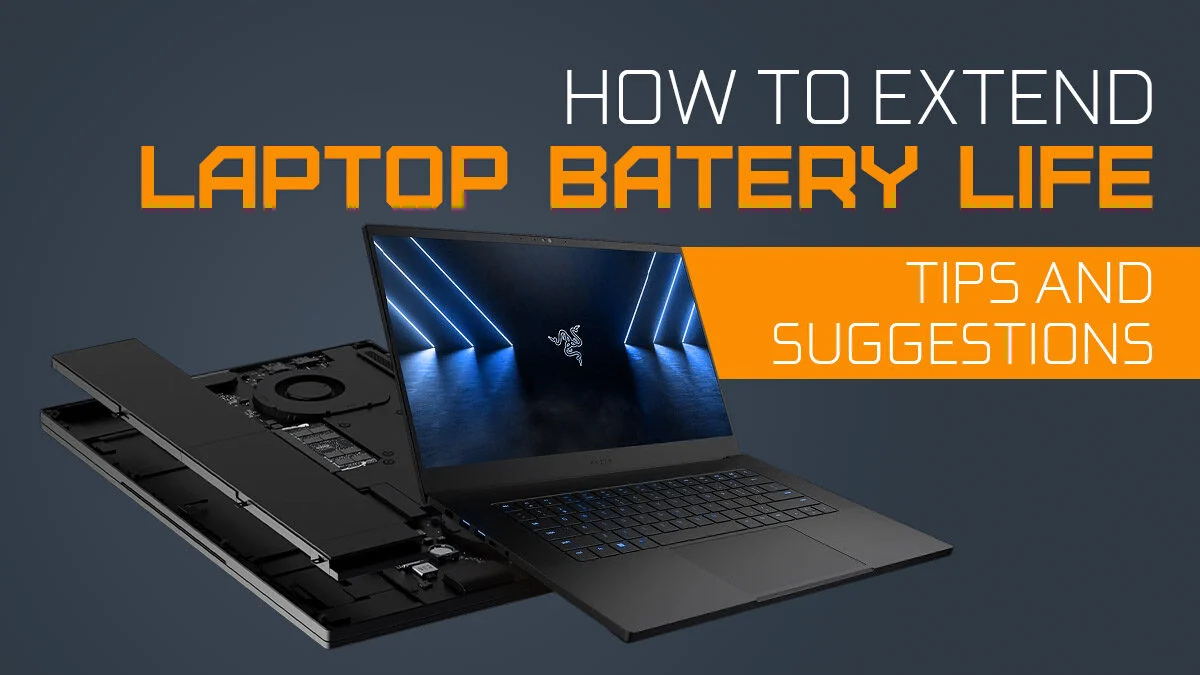
H1: Best ways to extend the battery life of a 3-year-old laptop and restore real-world performance
If your 3-year-old laptop now dies faster, charges slowly, or struggles to hold power during normal work, you’re not alone.
And look, I’ve seen this error a thousand times in real-world repair environments. People assume their battery is “completely dead” and rush to replace it. But here is the real talk about why your rig is acting up: most older laptop batteries are not fully dead—they are just degraded and poorly optimized at the system level.
In modern 2026 laptops, battery life is not just hardware—it’s a combination of BIOS behavior, drivers, voltage management, and usage patterns.
Let’s break it down like a senior IT hardware engineer.
Why laptop batteries degrade after 2–3 years
Laptop batteries are lithium-ion cells, and they degrade naturally due to:
1. Charge cycles
Every full charge = one cycle. Most batteries last 500–1000 cycles.
2. Heat exposure
High temperatures permanently reduce battery capacity.
3. Overcharging habits
Keeping laptop plugged in 24/7 affects long-term health.
4. High-performance usage
Gaming, video editing, and heavy multitasking drain cells faster.
Common symptoms of a weak 3-year-old battery
Performance symptoms
- Battery drops from 100% to 60% quickly
- Sudden shutdown at 20–30%
- Charging takes longer than usual
System symptoms
- “Plugged in, not charging” message
- Battery stuck at a certain percentage
- Rapid drain during light usage
Advanced 2026 symptoms
- AI power management instability
- BIOS battery health warnings
- Dynamic voltage scaling errors
Tools checklist for battery optimization
Before making changes:
- Battery report tool (Windows built-in)
- BIOS access utility
- Power management software
- Cooling pad (optional but useful)
- Charger health tester (advanced users)
- System monitoring tools (HWInfo, etc.)
💡 Tech Mentor Tip: I’ve seen users replace perfectly usable batteries just because background apps were draining power silently.
Comparison: Software optimization vs hardware replacement
| Method | Cost | Effectiveness | Recommendation |
|---|---|---|---|
| Power settings optimization | Free | High | Always first step |
| BIOS tuning | Free | Medium-High | Recommended |
| Battery calibration | Free | Medium | Useful occasionally |
| Battery replacement | Medium | Very High | Only if necessary |
| Ignoring issue | Free | Very Low | Not recommended |
Step-by-step guide: Best ways to extend the battery life of a 3-year-old laptop
Now let’s go step-by-step like a professional hardware engineer.
Step 1: Check battery health report
On Windows:
- Run battery report command
- Check design capacity vs full charge capacity
If health is below 70% → degradation is normal.
Step 2: Optimize power settings
Go to power settings and adjust:
- Set “Balanced Mode”
- Reduce maximum processor state (e.g., 99%)
- Disable background startup apps
This reduces unnecessary voltage stress.
Step 3: Disable high-drain background processes
Check Task Manager:
- Chrome tabs
- Cloud sync apps
- Gaming launchers
- AI services running in background
💡 Tech Mentor Tip: I’ve seen laptops gain 1–2 hours battery life just by closing unnecessary background proccess-heavy apps.
Step 4: Calibrate the battery
Do a full calibration:
- Charge to 100%
- Use until 5–10%
- Recharge without interruption
This helps BIOS read battery levels correctly.
Step 5: Update BIOS and drivers
This is critical in 2026 systems:
- BIOS updates improve voltage management
- Driver updates fix power leaks
- Chipset drivers optimize energy flow
Especially important for Intel and AMD hybrid CPUs.
Step 6: Reduce screen power consumption
- Lower brightness to 60–70%
- Disable HDR if not needed
- Reduce refresh rate (120Hz → 60Hz for battery mode)
Display is one of the biggest power drains.
Step 7: Manage thermal throttling
Heat directly affects battery performance.
Check:
- CPU temperature
- GPU temperature
If overheating:
- Clean fans
- Replace thermal paste if needed
- Use cooling pad
High temperature = faster battery drain.
Step 8: Control charging behavior
Modern laptops support smart charging:
- Enable battery protection mode (limit to 80–85%)
- Avoid constant 100% charging
- Unplug during light usage
This extends long-term battery life significantly.
Root causes of fast battery drain in old laptops
1. Background voltage leakage
Apps consuming power silently.
2. Aging lithium cells
Natural degradation over time.
3. BIOS misconfiguration
Incorrect power state handling.
4. Driver inefficiencies
Old GPU/CPU drivers increase power usage.
5. Thermal issues
Heat accelerates battery drain.
Real Tech Mentor insight
Here is the truth most users don’t realize: a 3-year-old laptop battery is not “dead” in most cases—it is just inefficient.
And look, I’ve seen users replace batteries unnecessarily when the real issue was:
- High brightness usage
- Background cloud sync
- BIOS outdated power profiles
Even small things like voltage mismanagement or thermal throttling can make a battery feel worse than it actually is.
And yes, people often blame “motherbord issues” when it’s actually just power optimization failure.
When you actually need battery replacement
Replace battery only if:
- Battery health is below 50%
- Laptop shuts down randomly
- Swelling or physical damage
- Charging not detected at all
At that stage, software fixes won’t help.
Prevention tips for long-term battery health
- Keep charge between 20%–80%
- Avoid high heat environments
- Don’t keep laptop plugged in 24/7
- Update BIOS regularly
- Use original charger only
Small habits = big battery lifespan increase.
Final CTA: Extend life before replacing it
If your 3-year-old laptop battery is draining fast, don’t rush into replacement.
Now you know the best ways to extend the battery life of a 3-year-old laptop using real 2026 optimization techniques, BIOS tuning, and system-level improvements.
For more deep hardware guides, battery optimization tips, and repair tutorials, visit fixrig.xyz—your ultimate hub for hardware enthusiasts and DIY fixers.
Got a battery issue that doesn’t make sense? Drop your specs in the comments or ask the fixrig.xyz community. Someone has already optimized your exact laptop model before.
Because in modern laptops, battery life is not just hardware—it’s smart system management.
Leave a Reply